When a relationship ends, there are usually real reasons. Pain. Disappointment. Betrayal. Injury. Forgiving does not mean ignoring those things. It doesn’t even mean friendship is required.
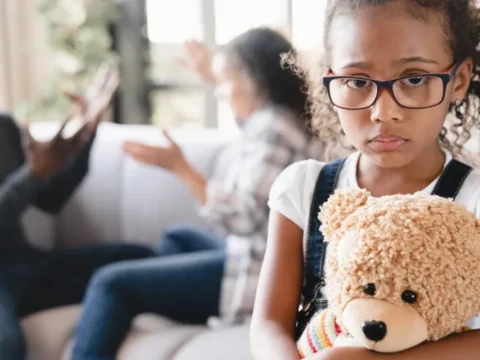
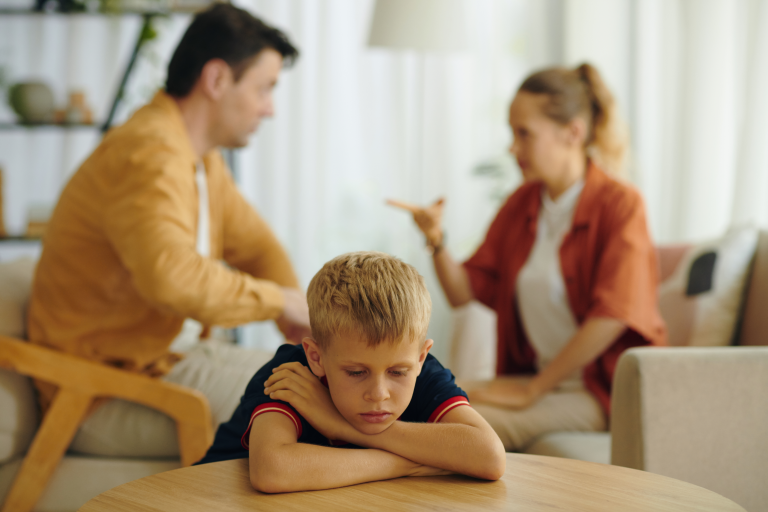
But when children are involved, some level of forgiveness is often necessary for the family to heal. Why? Because the lack of forgiveness between parents never stays neatly between parents. Children feel it. They hear it in the tone, and they see it in body language. They pick up on tension, delayed responses, and sharp comments, and understand that their peace is always fragile.
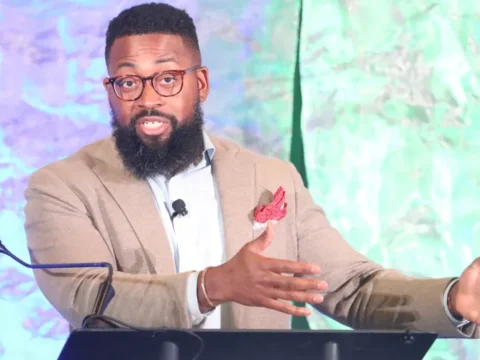
by Dr. Matisa Wilbon, Co-Chair, Moynihan Institute for Fatherhood Research and Policy
There is a real difference between remembering the past and living stuck in it.
A lot of families never fully move beyond the breakup. Time passes. Schedules get set. New routines are created. People learn how to function. But emotionally, everyone is still standing in the middle of what happened.
Old betrayals keep showing up in new conversations. Every disagreement becomes about more than the moment. Co-parenting gets filtered through unresolved pain rather than grounded in what the children need right now.
But families that heal come to understand something important: If there is going to be a healthier future, the past cannot be allowed to drive everything.
This is where forgiveness matters.
Forgiveness doesn’t mean pretending the breakup did not hurt. It does not mean denying what was lost or skipping over the truth. It means saying, “Yes, this mattered. Yes, this hurt. Yes, this changed us. But it will not control every conversation, relationship, and possibility still in front of us.”
Forgiveness means refusing to let what happened define what comes next:
- For children, forgiving the past can mean learning that love still exists in a family that looks different from what they expected. It can mean understanding that their parents’ breakup doesn’t mean their future is to be broken, too.
- For parents, forgiving the past can mean no longer letting old wounds justify present-day dysfunction. It can mean choosing to co-parent with maturity, even when the relationship could not be saved. It can mean accepting that while the partnership ended, the responsibility to protect a child’s emotional well-being did not.
Why Parents Have to Forgive Themselves
In separated families, children are not the only ones carrying pain. Parents carry it, too.
Fathers often carry regret about moments they missed and the times they shut down or were angry, distracted, absent, or emotionally unavailable. Mothers may carry guilt about decisions they made while trying to survive, the seasons they were overwhelmed, or the ways their own hurt spilled into their parenting.
Both parents may look back and wonder how things might have been different if they had made different choices. And if this regret is left unaddressed, it becomes a barrier.
Parents who have not forgiven themselves often parent from shame instead of steadiness. Shame makes people reactive, defensive, and withdrawn. It can convince a father that it is too late to repair the relationship with his child. Responding from a place of unresolved hurt can push a mother into overcompensating or controlling.
Regret can keep both parents stuck in survival mode when what their children need is stability. Children don’t need parents who are consumed by self-condemnation. They need parents who are willing to grow.
Self-forgiveness isn’t about avoiding responsibility. It’s not pretending no harm was done. It’s not letting yourself off the hook. Real self-forgiveness starts with truth. It says,
- “I made mistakes.”
- “There are things I wish I had done differently.”
- “I cannot go back and undo the past, but I can choose to move differently now.”
This kind of self-forgiveness helps parents stay emotionally available in the present. It makes room for real apologies. It makes it easier to listen without collapsing into guilt, and it shifts the focus from defending yourself to showing up better for your children.
Why Parents Have to Forgive Each Other
This is often the hardest part.
When a relationship ends, there are usually real reasons. Pain. Disappointment. Betrayal. Injury. Forgiving does not mean ignoring those things. It doesn’t even mean friendship is required.
But when children are involved, some level of forgiveness is often necessary for the family to heal. Why? Because the lack of forgiveness between parents never stays neatly between parents. Children feel it. They hear it in the tone, and they see it in body language. They pick up on tension, delayed responses, and sharp comments, and understand that their peace is always fragile.
When parents stay locked in bitterness, children often end up living in the emotional aftermath of a conflict they did not create. But when parents do the hard work of letting go of constant resentment, setting healthy boundaries, and choosing cooperation over conflict, children experience emotional safety and consistency. They experience the relief of not having to carry adult tension on their backs.
Forgiveness between co-parents doesn’t rewrite history; it just refuses to use history as a weapon against the present or future.
Forgiveness says,
- “We may not be together, but we can still choose peace.”
- “We may not agree on everything, but we can still give our child stability.”
- “We may never erase what happened, but we can stop making our child relive it.”
A Family After Breakup Can Still Be Healed and Healthy
This is something more families need to hear: Healing, health, and hope do not end when a relationship does. A family can change shape and still hold love. A home can exist across two households and still feel emotionally secure. Children can come from separated parents and still grow up supported, stable, and deeply loved.
But none of this happens by accident. It takes work:
- It takes parents who are willing to deal with their own pain instead of handing it to their children.
- It takes fathers who stay present, accountable, and emotionally connected.
- It takes mothers who protect their children’s hearts without poisoning them against their father.
- It takes co-parents who are willing to choose what is beneficial over what is bitter.
- It takes children being given room to feel what they feel, to grieve what they have lost, to ask hard questions, and to heal in their own time.
And yes, it takes forgiveness, not as a one-time conversation but as an ongoing practice.
What does this look like? Sometimes, forgiveness looks like:
- Refusing to bring old wounds into every new disagreement
- Choosing your words carefully in front of your children
- Learning how to apologize without excuses
- Respecting boundaries without feeding hostility
- Getting counseling, leaning on community, or seeking spiritual support when the pain is too heavy to carry alone.
Healing doesn’t happen just because time passes. It happens when people decide to do the work.
An Invitation to Choose Healing
“Forgive Mom and Dad Day,” observed every year on March 18, inspired this post and its invitation to stop ignoring pain, to refuse to let it have the final word.
For children, forgiveness may mean releasing resentment little by little, not because the hurt was small, but because their future is too important to stay trapped in the past.
For fathers and mothers, it may mean forgiving themselves so they can parent from a place of growth rather than guilt.
For co-parents, it may mean forgiving each other enough to create a healthier path forward for the children they still share.
Forgiveness doesn’t rebuild a family overnight, and it doesn’t erase consequences.
Forgiveness doesn’t make healing clean or easy, but it does make healing possible.
My hope is that you will also be inspired by “Forgive Mom and Dad Day” to find courage and do the hard work forgiveness requires. In doing so, I hope you discover that while the past may always be part of your family’s story, it doesn’t have to be the part that leads.