
Fathers who live apart from their children still have influence. Their words, choices, and actions shape how children understand relationships, conflict, respect, and love.
Mother’s Day offers a meaningful way for fathers to use this influence to strengthen the emotional world their children live in.
By Dr. Matisa Wilbon, Co-Chair, Moynihan Institute for Fatherhood Research and Policy
Mother’s Day may seem like a holiday focused only on mothers and children. But for fathers who live apart from their children, it can also be an important opportunity to create a healthier emotional environment for the child.
Research continues to show that fathers matter in children’s lives, even when they do not live in the same home. What matters is not only where a father lives, but how he shows up through care, support, consistency, and respect.
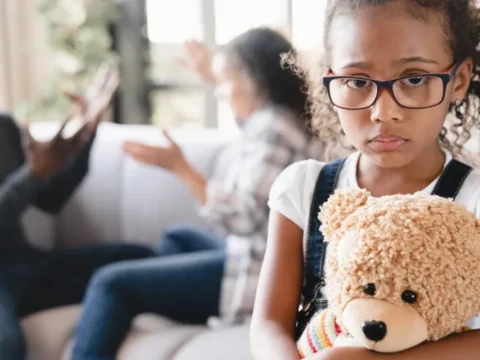
The relationship between adults who care for them matters deeply to children. When parents or caregivers can reduce conflict and work together in healthy ways, children are more likely to feel secure. When conflict is high or destructive, children may feel anxious, divided, or caught in the middle.
So when a father encourages his child to celebrate their mother, it sends a powerful message:
You don’t have to choose between your parents. You’re allowed to love and respect both.
This “permission” can be especially important for children whose families are navigating separation, divorce, strained communication, or different household structures.
Celebrating Mother’s Day doesn’t have to be complicated. A father might help a child make a card, remind them to call, help them choose a small gift, or simply speak respectfully about their mother. These actions may seem small, but they model maturity, gratitude, and child-centered parenting.
This doesn’t mean every co-parenting relationship is easy or safe. In situations involving abuse, coercion, threats, or unsafe dynamics, safety must come first. Supporting Mother’s Day should never mean pressuring anyone into harmful contact or ignoring boundaries.
But in healthy or manageable situations, Mother’s Day gives fathers a chance to lead with respect. It allows them to show that a changed romantic relationship doesn’t have to erase dignity. It also teaches children that appreciation, kindness, and emotional maturity still matter, even when family life looks different than it once did.
Fathers who live apart from their children still have influence. Their words, choices, and actions help shape how children understand relationships, conflict, respect, and love.
Mother’s Day offers one meaningful way for fathers to use this influence well.
By helping a child honor their mother, a father can strengthen the emotional world his child lives in. He can support gratitude without pretending everything is perfect. He can model respect without requiring romance. He can show care without denying past difficulty.
So yes, it matters when fathers living apart from their children help celebrate Mother’s Day. It matters because mothers deserve acknowledgment. It matters because children are watching and learning. And it matters because when fathers lead with maturity, respect, and care, children benefit.
That is more than good etiquette. It’s good parenting.