At the center of the book is a simple but provocative idea: Mothers can raise sons, but mothers are not men. That statement will make some readers uncomfortable, but Griff leans into the discomfort with humor, compassion, and honesty.
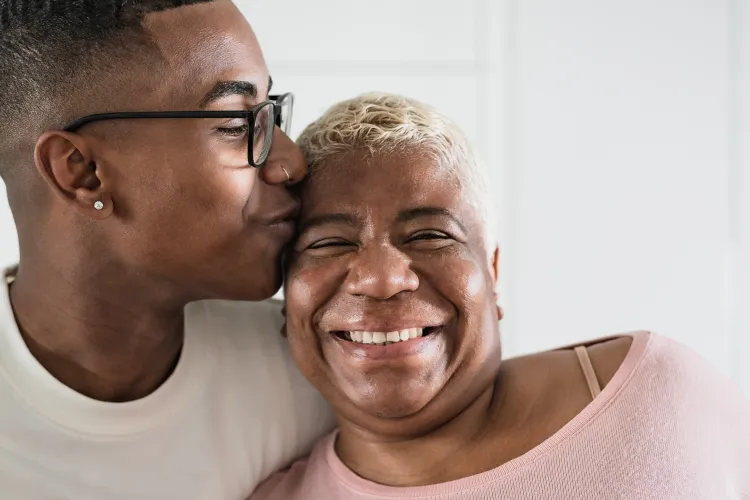
Instead of attacking mothers, Griff honors mothers. His book is a love letter to his own mother, a woman who raised him with toughness, wisdom, sarcasm, resilience, and survival instincts after navigating life without the protection of a present father herself.
Griff reminds readers that many mothers are not trying to replace fathers because they want to. Many are trying because they feel they have no other option.
By Kenneth Braswell, CEO, Fathers Incorporated
There are books that entertain, books that educate, and books that quietly sit beside you and tell the truth. Arlen “Griff” Griffin’s new book, Cats and Puppies: This Is Not a Book About Animals, does exactly that.
What began as a Mother’s Day conversation on the I Am Dad Podcast became something deeper. What sounded at first like comedy slowly unfolded into wisdom. What appeared to be playful metaphors about cats and dogs turned into a profound meditation on motherhood, fatherhood, relationships, emotional development, and the often-unspoken tension between raising boys and understanding men.
Yes, Mothers Can Raise Sons
At the center of the book is a simple but provocative idea: Mothers can raise sons, but mothers are not men. That statement alone will make some readers uncomfortable. Griff knows it will. He leans into the discomfort with humor first, then compassion, then honesty.
Instead of attacking mothers, Griff honors mothers. His book is a love letter to his own mother, a woman who raised him with toughness, wisdom, sarcasm, resilience, and survival instincts after navigating life without the protection of a present father herself. And in our I Am Dad interview, Griff repeatedly returns to grace rather than blame – a distinction that matters.
Too often, conversations about father absence immediately become conversations about fault. Griff redirects the discussion toward understanding. He reminds podcast listeners and readers that many mothers are not trying to replace fathers because they want to. Many are trying because they feel they have no other option.
One of the most powerful statements from the podcast captures this perfectly: “The problem isn’t that mothers can’t raise sons. The problem is when they think they have to raise them alone.”
Griff’s words acknowledge strength and exhaustion simultaneously. It recognizes the burden many women carry while also making space for the truth that boys still need examples of healthy manhood.
In the interview, Griff discusses a moment that illustrates this tension perfectly: when boys begin shifting psychologically away from childhood dependence and into emerging manhood. I Am Dad Host Kenneth Braswell describes it as the moment “your son stops hearing your words and only hears your sound.” Every parent who has raised a teenager knows exactly what that means. The same words that once comforted now irritate. Correction becomes confrontation. Tone becomes more important than content.
Mothers often take this shift personally, wondering where the sweet little boy went. Fathers experience it, too, especially when sons begin testing authority as part of their own identity formation. What Griff explains masterfully is that this transition isn’t necessarily rebellion. Sometimes it’s development.
That insight alone could save families years of emotional confusion.
Men and Women Bring Different Strengths to Parenting
Griff’s “cats and puppies” metaphor is helpful here because it lowers defenses long enough for difficult truths to enter the conversation. Griff describes dogs as easily distracted, energetic, external, and constantly reacting to movement and stimulation. Cats, in contrast, are more observant, measured, territorial, and emotionally selective.
The metaphor is humorous, but beneath it lies an important point about emotional wiring and the relational differences between men and women. The lesson isn’t that one is better than the other. The lesson is that differences require understanding. Far too many relationships collapse because people interpret differences as disrespect instead of design.
The I Am Dad interview with Griff about his new book also explores another uncomfortable truth: Sometimes mothers unintentionally turn sons into emotional stand-ins for absent men. Griff refers to this as creating “phantom men,” where boys become emotional companions, protectors, or pseudo-partners long before they are emotionally mature enough to carry those responsibilities.
That observation may be controversial, but it’s also deeply important. Many boys raised in father-absent homes grow up feeling responsible for their mother’s emotional well-being. They become hyper-protective, emotionally conflicted, or unable to separate guilt from love. Later in life, this can affect romantic relationships, communication patterns, emotional regulation, and identity.
Griff doesn’t weaponize this truth against women. Instead, he approaches it with empathy because he understands where it comes from.
Healing and Parenting
One of the most beautiful moments in the I Am Dad interview came when Braswell reframed life itself as God’s way of “keeping us on track,” transforming the conversation from relationship commentary into spiritual reflection.
Suddenly, the discussion was no longer just about parenting. It became about forgiveness and healing:
- Healing for mothers who carried too much alone.
- Healing for fathers trying to reconnect.
- Healing for sons trying to understand their mothers as women, not just as authority figures.
- Healing for daughters watching it all happen in silence.
What makes Cats and Puppies particularly timely is that it arrives during a cultural moment where families are searching for language. Modern parenting conversations often become ideological battlegrounds rather than opportunities for reflection. Griff’s approach is different. He uses humor to disarm. He uses storytelling to connect. He uses vulnerability to build trust.
He helps us see that family conversations don’t always have to begin with accusation. Sometimes they can begin with curiosity:
- What if mothers and sons spent more time trying to understand each other instead of defending themselves from each other?
- What if fathers learned how to speak healing into spaces where tension has existed for years?
- What if sons learned to see their mothers not only as authority figures, but as women who survived things they may never fully understand?
These questions sit quietly underneath the comedy, metaphors, and storytelling of Cats and Puppies along with a deeper message: Families heal when people finally feel understood.