Fatherhood is more than being present after a child arrives. It’s preparing, protecting, learning, and leading. Sickle cell awareness gives fathers a sacred opportunity to do all four.
Our children deserve a future where sickle cell is understood, treated with urgency, and one day cured. Until that day comes, let us make sure no father is left uninformed, no family is left unsupported, and no child is left carrying pain in silence.
By Kenneth Braswell, CEO, Fathers Incorporated
June 19 carries a weight that Black people understand deeply. It’s a day connected to freedom, memory, truth, and the long journey of turning what was once hidden into what must now be spoken. It’s also World Sickle Cell Awareness Day, recognized around the globe to raise public knowledge about sickle cell disease and the real obstacles faced by those living with it, their families, and their caregivers.
The shared date shouldn’t be lost on us. Juneteenth reminds us that freedom requires truth, and Sickle Cell Awareness Day reminds us that health justice does, too. Both call us to confront what has been ignored, misunderstood, underfunded, and carried quietly by Black families for too long.
Sickle Cell Disease Statistics
Sickle cell disease isn’t just a medical condition. For many families, it is a lived experience. It’s the child who learns too early what pain feels like and the mother sitting beside a hospital bed through the night. It’s the grandmother who knows the signs before the doctors arrive and the father trying to be strong while quietly wondering what he didn’t know, what he should’ve known, and what he can do now.
The numbers tell us why this conversation must become louder. Sickle cell disease affects about 100,000 people in the United States. More than 90% of those living with sickle cell disease in this country are non-Hispanic Black or African American. An estimated 3-9% are Hispanic or Latino. Sickle cell disease occurs in about 1 out of every 365 Black or African American births and about 1 out of every 16,300 Hispanic American births.
These aren’t faceless statistics. They’re children in our schools, families in our churches, and patients in our hospitals. They’re our cousins, neighbors, classmates, fraternity brothers, sorority sisters, fathers, mothers, sons, and daughters.
What Families Need to Know About the Trait
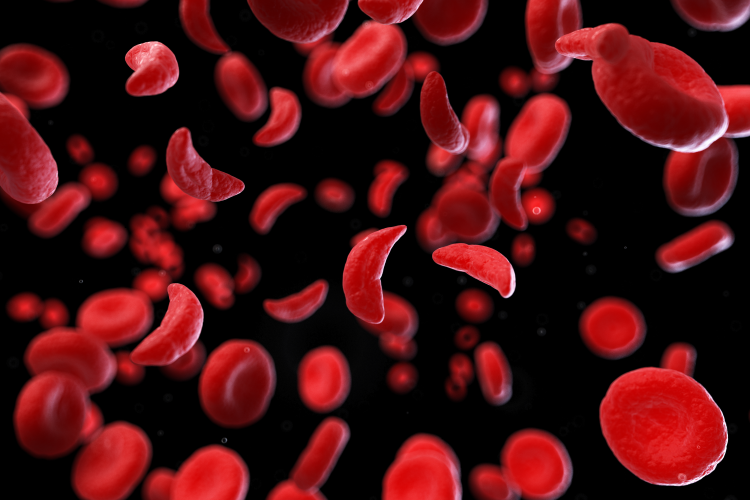
And there’s another number that should stop us in our tracks: About 1 in 13 Black or African American babies is born with the sickle cell trait. This means they inherited a sickle cell gene from one parent. While many will never experience symptoms of sickle cell disease, they can pass the gene to their children.
When we don’t know our sickle cell trait status, we leave too much of our children’s future to chance.
For generations, the Black community has carried sickle cell with a strange combination of familiarity and mystery. We know the name. Many of us even know someone who has it. Some of us grew up hearing about “the trait” without fully understanding what it meant. We heard stories about pain crises, blood transfusions, missed school days, exhaustion, hospital stays, and shortened lives. Yet too many of us were never taught the full truth about inheritance, testing, prevention, treatment, and advocacy. This has to change.
For fathers, this conversation matters in a particular way. Sickle cell disease is inherited. A child receives a copy of the hemoglobin gene from each biological parent. A father doesn’t carry this responsibility alone, but he does carry it:
- A father’s bloodline speaks.
- His family history matters.
- His willingness to get tested matters.
- His courage to have a conversation before pregnancy, during pregnancy, or even after a child is born matters.
If both parents have the sickle cell trait, each pregnancy carries a 25% chance that the child will have sickle cell disease, a 50% chance that the child will have the sickle cell trait, and a 25% chance that the child will have neither sickle cell disease nor the trait. This isn’t information families should discover by accident. It’s information fathers should know, carry, and share with love.
This isn’t about blame. Blame doesn’t heal a child in pain. Shame doesn’t educate a family. Silence doesn’t protect the next generation. This is about the responsibility to replace fear with knowledge and knowledge with action.
A man can love his children deeply and still not know his sickle cell status. A man can be present at every game, school meeting, birthday, and doctor’s appointment and still be unaware that he carries a gene that could shape the health of his future children. That’s why awareness must move from posters and proclamations into barbershops, churches, fraternity meetings, family reunions, fatherhood programs, health fairs, prenatal appointments, and kitchen-table conversations.
Knowing Your Status Is a Fatherhood Issue
Knowing your status is part of protecting your child before they are even born. It’s part of supporting your child’s mother with honesty and maturity. It’s part of co-parenting with health in mind. It’s part of saying, “I won’t leave this only to you. I’ll ask the question, take the test, and learn what this means for our family.”
Too often, for Black men, health conversations arrive late. We’re told to be strong after we’ve already been hurting. We’re told to show up after systems have already overlooked us. We’re told to provide without being fully equipped with information. Sickle cell awareness gives us an opportunity to do something different. It gives us a chance to put fathers at the center of a health conversation before crisis arrives.
A father who knows his status can help his family make informed decisions:
- If a father carries the sickle cell trait, he can encourage his partner to be tested.
- If both parents carry a sickle cell gene or another hemoglobin variant, they can speak with a healthcare provider or genetic counselor to understand the possible outcomes for future children.
- If a child is born with sickle cell disease, a father can become an advocate early by learning the signs of pain crises, keeping track of appointments, supporting medication routines, understanding school accommodations, asking questions in medical settings, and making sure his child is seen as more than a diagnosis.
This matters because sickle cell is not only painful. It’s life-altering. The Centers for Disease Control and Prevention reports that the estimated life expectancy of people with sickle cell disease in the United States is more than 20 years shorter than the average. And many won’t receive recommended healthcare screenings and treatments.
This should trouble every one of us because Black pain has been dismissed too often. Children shouldn’t have to fight to be believed while fighting through pain. Adults living with sickle cell shouldn’t have to explain over and over again that their crisis is real. This medical neglect isn’t just a health issue; it’s a justice issue.
Sickle Cell, Health Justice, and Advocacy
The work of curing sickle cell isn’t carried by families alone. Scientists, physicians, researchers, blood donors, policymakers, pharmaceutical companies, hospitals, and community advocates all have a role. New therapies have brought hope. In December 2023, the U.S. Food and Drug Administration approved the first cell-based gene therapies for sickle cell disease for eligible patients 12 years and older. That moment was historic, and it reminded us that progress is possible when science, investment, and urgency come together.
But medical breakthroughs mean little if the people most affected cannot access them, afford them, understand them, or trust the systems delivering them.
This is why awareness must become advocacy:
- We need more Black blood donors because many people living with sickle cell need blood transfusions, and closely matched blood can reduce complications.
- We need more funding for research and access to treatment.
- We need schools that understand what children with sickle cell experience.
- We need employers who understand that adults living with sickle cell are not lazy, unreliable, or exaggerating their pain.
- We need medical systems that believe Black pain the first time it is described.
And we need fathers in the exam room, not standing outside the conversation.
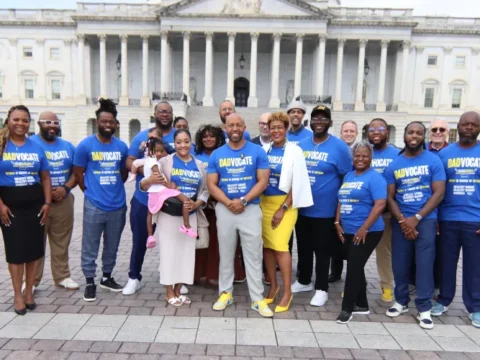
At Fathers Incorporated, we have long believed that when fathers thrive, families and communities follow. This belief doesn’t stop at parenting classes or school engagement. It also includes health: mental health, maternal health, and the genetic, emotional, and social realities shaping our children’s futures before they can speak for themselves.
If we’re serious about strengthening Black families, then we must be serious about the health knowledge Black fathers carry, need, and deserve.
Imagine a father saying to his son, “I got tested because I love you.” Imagine a father saying to his daughter, “You need to know your body and your history.” Imagine a young couple deciding that love includes hard conversations before pregnancy. Imagine a barbershop where men talk about the sickle cell trait with the same ease that they talk about sports. Imagine a church health ministry that invites fathers to the table. Imagine a fatherhood program that reminds men that provision is not only financial. Sometimes provision is information. Sometimes protection begins with a blood test.
This is how culture shifts. Not with one awareness day. Not with one campaign. Culture shifts when enough people decide that what has been whispered must now be taught. It shifts when fathers stop seeing health as something mothers handle alone. It shifts when Black men understand that knowing their status isn’t a sign of fear but a sign of leadership.
On June 19, we honor the families living with sickle cell disease. We honor the children who fight through pain with courage no child should have to summon and the parents and caregivers who keep watch. We honor the adults who have survived medical dismissal, workplace misunderstanding, and years of invisible suffering. And we honor the advocates who refused to let this disease remain in the shadows.
How Fathers Can Make an Impact
On this day, we also call fathers forward:
- Get tested.
- Ask your family what they know.
- Talk to your partner and your children.
- Encourage the young men in your life to know their status.
- Donate blood if you are able.
- Support sickle cell organizations.
- Push for better care, better access, better research, and better treatment.
- Don’t wait until a child is in pain to learn what your blood has been carrying.
Fatherhood is more than being present after a child arrives. It’s preparing, protecting, learning, and leading. Sickle cell awareness gives fathers a sacred opportunity to do all four.
Our children deserve a future where sickle cell is understood, treated with urgency, and one day cured. Until that day comes, let us make sure no father is left uninformed, no family is left unsupported, and no child is left carrying pain in silence.
Want to learn more? Here are three sources for more information: