We’ve built an entire public conversation around maternal health, maternal mortality, postpartum depression, and the challenges mothers face after childbirth. We should. These conversations have saved lives.
But there’s another conversation that barely exists: What happens when the father dies? Not years later. Not after retirement. Not after children become adults. What happens when a father dies while his children are still learning to walk, talk, and say the word “Daddy”?
That question remains one of the least explored realities in American family life.
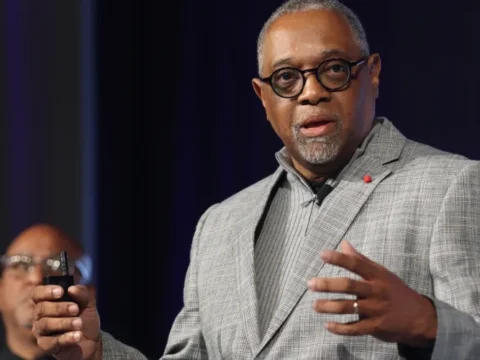
By Kenneth Braswell, CEO, Fathers Incorporated
The country first met Carlos Abrahams through joy.
His family became one of those rare stories that seemed to remind us that miracles still happen. He and his wife, Ronjera, welcomed naturally conceived quadruplets into a home that already echoed with the laughter of three young sons. Cameras followed their journey from the neonatal intensive care unit to the day all four babies finally came home. Millions celebrated with them because they represented something we desperately needed to see: hope.
On June 20, that same family became the face of a different story. Carlos Abrahams died suddenly, leaving behind a wife and seven children, including four babies who are far too young to remember the sound of their father’s voice.
As I sat with the news, I found myself thinking less about how he died than about what happens next.
We’ve built an entire public conversation around maternal health, maternal mortality, postpartum depression, and the challenges mothers face after childbirth. We should. These conversations have saved lives.
But there’s another conversation that barely exists: What happens when the father dies?
Not years later. Not after retirement. Not after children become adults. What happens when a father dies while his children are still learning to walk, talk, and say the word “Daddy”?
That question remains one of the least explored realities in American family life.
Several months ago, researchers began introducing language that deserves far more attention: paternal mortality during early childhood. The phrase may sound clinical, but its consequences are anything but.
A father’s death during the earliest years of a child’s life isn’t simply the loss of another adult in the household. It’s the interruption of thousands of moments that never get the chance to happen:
- The first fishing trip
- The first basketball game
- The first lesson on shaving
- The first conversation about heartbreak
- The phone call after a difficult day
- The embrace after graduation
- The walk down the aisle
- The quiet wisdom that only time allows fathers to pass to their children
When death arrives that early, children lose not only the father they knew. They lose the father they were still becoming acquainted with.
This distinction matters. Much of my life’s work has focused on father absence. Society often assumes father absence begins with abandonment, incarceration, divorce, or conflict between parents, but death reminds us there’s another path into father absence. One without blame. One without choice. One without reconciliation.
Carlos Abrahams didn’t become absent because he stopped loving his children. He became absent because life ended before fatherhood did.
And those are two very different realities.
For his wife Ronjera, the road ahead is almost unimaginable. Every diaper, doctor’s appointment, school event, birthday, and bedtime story will now carry both the responsibility of motherhood and the memory of partnership interrupted.
She will undoubtedly receive prayers, meals, financial support, and encouragement, and she deserves every bit of it. But we should also ask,
- Have we built enough systems to support families after paternal loss?
- Do pediatricians routinely screen children for the death of a father?
- Do schools understand how grief differs for children who lose fathers before memories are fully formed?
- Do family support systems recognize that paternal mortality creates developmental challenges that may unfold over decades rather than months?
- Do policymakers even count these children?
I suspect the answer to many of these questions is no, and that should concern all of us.
At Fathers Incorporated, we have long argued that fathers are not optional members of the family system. They matter because their presence contributes to children’s emotional development, educational success, physical health, and family stability. Our work consistently demonstrates that father engagement is one of the strongest protective factors available to children when fathers are given the opportunity and support to remain involved.
If we believe that fathers matter while they are alive, then we must also acknowledge what families lose when fathers die too soon.
This conversation should never become a competition between maternal mortality and paternal mortality. It should become an honest recognition that children need both parents whenever possible, and when either parent is lost, the family deserves intentional support.
There’s a photograph of Carlos holding two of his quadruplets. Years from now, these babies may not remember taking that picture. but the picture will remember for them.
It will remind them that before grief entered their home, there was a father who showed up.
A husband who loved.
A man who believed his greatest title was not restaurant owner, veteran, or entrepreneur.
It was Dad.
Perhaps that is Carlos Abrahams’ final gift to the rest of us. He reminds America that fatherhood doesn’t end when a father’s life ends. Its absence continues shaping children long after the obituary is written.
If we are serious about strengthening families, paternal mortality can no longer remain one of the conversations we never have.