
Romantic love is celebrated for how it makes us feel. Fatherhood love is measured by what it asks us to do. It requires endurance when affirmation is absent, consistency when relationships are strained, and restraint when emotions run hot. It is love that shows up in consistency, sacrifice, and presence. And yet, despite its power, fatherhood is rarely centered in public conversations about love.
Many fathers learn early that their love is expected to be practical rather than expressive. Provide. Protect. Pay. Perform. As a result, many men carry deep affection for their children without ever being taught how to articulate it, nurture it, or receive it in return.
By Kenneth Braswell, CEO, Fathers Incorporated
Love is often framed with flowers, candlelight, and romance, especially around Valentine’s Day. We’re taught to associate love with desire, partnership, and pursuit. Yet there is another form of love that rarely receives that same cultural reverence because it doesn’t fit neatly into greeting cards or consumer rituals. Fatherhood is an expression of love that is quieter, more complex, and far more demanding than romance ever prepares us to understand.
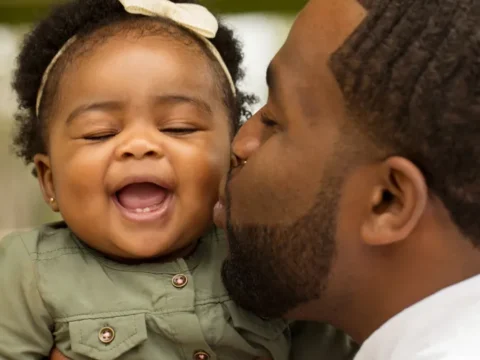
Romantic love is celebrated for how it makes us feel. Fatherhood love is measured by what it asks us to do. It requires endurance when affirmation is absent, consistency when relationships are strained, and restraint when emotions run hot. It is love that shows up in consistency, sacrifice, and presence long after the excitement fades. And yet, despite its power, fatherhood is rarely centered in public conversations about love.
Many fathers learn early that their love is expected to be practical rather than expressive. Provide. Protect. Pay. Perform. Society has trained men to demonstrate love through action, while discouraging emotional vulnerability. Fathers are often praised for what they do, not for how they feel. As a result, many men carry deep affection for their children without ever being taught how to articulate it, nurture it, or receive it in return.
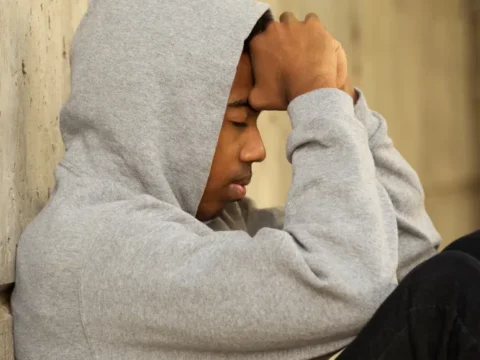
This emotional distance is not born of indifference. It is born of expectation. Fathers are expected to be steady, not soft. Reliable, not reflective. Strong, not seen. In that space, love becomes functional rather than relational. Many fathers show love through long work hours, through enduring conflict with a co-parent, through navigating systems that often presume their absence or incompetence.
Romantic love allows room for imperfection. We expect misunderstandings, growth, and even failure. Fatherhood love, however, is often treated as a test with no margin for error. A missed moment becomes a character flaw. A season of absence becomes a permanent label. The grace afforded to romantic partners is rarely extended to fathers, especially those navigating complex family structures, legal barriers, or economic instability.
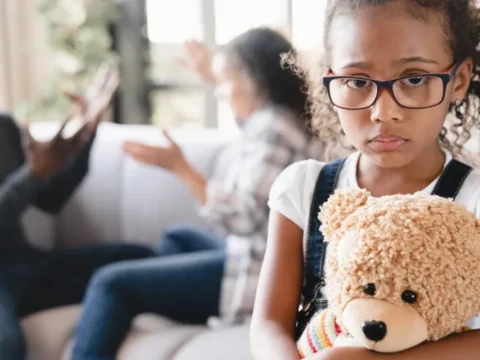
This imbalance has consequences. When fathers feel perpetually evaluated rather than embraced, many retreat emotionally even when they remain physically present. Emotions become guarded. Vulnerability feels risky. Over time, the relationship between fathers and their children can become transactional rather than connective, shaped more by obligation than intimacy.
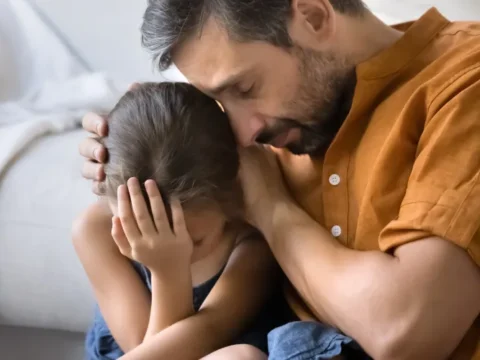
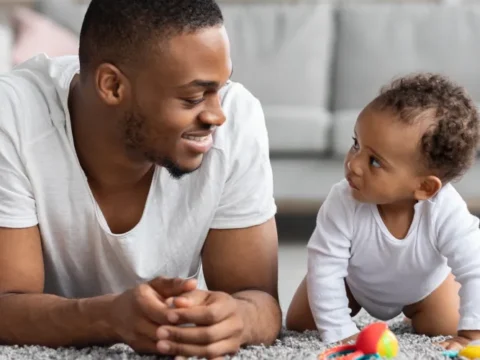
Children, however, do not need perfect fathers. They need present ones. They need fathers who are emotionally available. They need fathers who model accountability, apologize when wrong, listen without defensiveness, and love without conditions.
But this kind of love requires emotional permission. It requires a culture that allows fathers to be fully human.
Society often frames fathers’ love as optional rather than essential. Mothers are assumed to be emotionally central, but fathers are treated as supplemental. This narrative is both inaccurate and harmful. Fathers are not secondary parents. They are distinct contributors to a child’s emotional, social, and psychological development. When fatherhood love is diminished in the cultural imagination, children absorb that message long before fathers ever do.
The state of love as it relates to fatherhood is complicated by systems that confuse presence with proximity. A father who does not live in the home is often presumed absent, regardless of his involvement. A father facing legal hurdles is often portrayed as disengaged, regardless of his effort. These assumptions flatten the emotional reality of fatherhood and reduce love to a mailing address.
Love from fathers also shows up in protection. Sometimes that protection looks like silence instead of confrontation. Sometimes it looks like restraint instead of reaction. Fathers often carry the weight of knowing when to speak and when to hold back, when to push and when to step aside. These decisions are rarely visible, but they are acts of love nonetheless.
Yet fathers, too, need to be loved. They need affirmation not only for what they provide, but for who they are. They need spaces where their fears, doubts, and emotional fatigue are acknowledged rather than dismissed. Too often, men are expected to pour from an emotional cup that is never refilled. Love, when it flows in only one direction, eventually erodes.
Showing love to fathers means more than celebrating them once a year in June. It means building systems that include them, language that respects them, and policies that do not exclude them or punish their presence. It means offering fathers emotional literacy, mental health support, and relational tools without stigma. It means seeing fatherhood not as a problem to be managed, but as a relationship to be nurtured.
Love from fathers should not be measured by perfection or proximity, but by commitment. Commitment to growth. Commitment to repair. Commitment to remain engaged even when circumstances are difficult. Whereas romantic love often ends when things get hard, fathers’ love begins there.
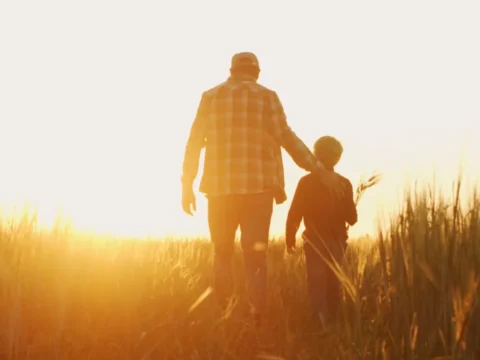
As Valentine’s Day approaches, it’s time to expand our definition of love. To recognize that love is not only found in romance, but in responsibility. Not only in attraction, but in attachment. Not only in passion, but in perseverance.
Fatherhood is love that wakes up early and stays late. Love that learns on the job. Love that fights systems quietly and relationships patiently. Love that does not always receive applause, but changes lives nonetheless.
The question before us is not whether fathers love their children. The question is whether we are willing to love fathers back in ways that allow their love to show up fully.